Acupuncture in Edmonton

A nervous system that remains in a state of heightened alertness, disrupted sleep, persistent tension, and a body that struggles to settle are all common physical responses that can continue beyond the course of psychological recovery.

Acupuncture is offered at our Edmonton clinic as a targeted, evidence-informed support for this physical dimension of healing. It can be accessed alongside ongoing psychotherapy as part of a coordinated approach to recovery, or as a standalone service for those seeking informed care for the body's stress and trauma responses.

Acupuncture for Stress, Trauma & Nervous System Regulation

Chronic stress, anxiety, and trauma can gradually shift your physical baseline. Over time, the body may begin to hold more tension, you sleep less, and remain in a heightened state of alertness. You feel overwhelmed more often, find it difficult to fully relax, and have a harder time recovering between stressors. Through acupuncture, we can help calm your nervous system, reduce physical tension, and support the body in moving toward a more regulated and restorative state.

A Knowledgeable Practitioner

Our Doctor of Acupuncture brings a research-informed approach to practice, grounded in Traditional Chinese Medicine and supported by a clinical background across acupuncture, kinesiology, and patient education. Her practice is centred on how acupuncture can support the body's physiological response to stress and trauma.

A Proven Solution

Emerging research suggests acupuncture may help modulate the stress response, influence pain and muscle tension, and support nervous system activity, including mechanisms associated with the vagus nerve. Because the vagus nerve plays a central role in rest, regulation, and recovery, this may help your body shift away from a persistent state of alertness and toward a calmer, more settled baseline.

Trauma-Informed Care at Every Step

As part of a trauma-focused clinic, acupuncture at Genovese Trauma & PTSD Recovery is delivered with attention to nervous system sensitivity, emotional safety, clear communication, and informed consent throughout every session. Symptoms such as tension, restlessness, poor sleep, and pain may be closely connected to chronic stress or trauma, and care is tailored accordingly.

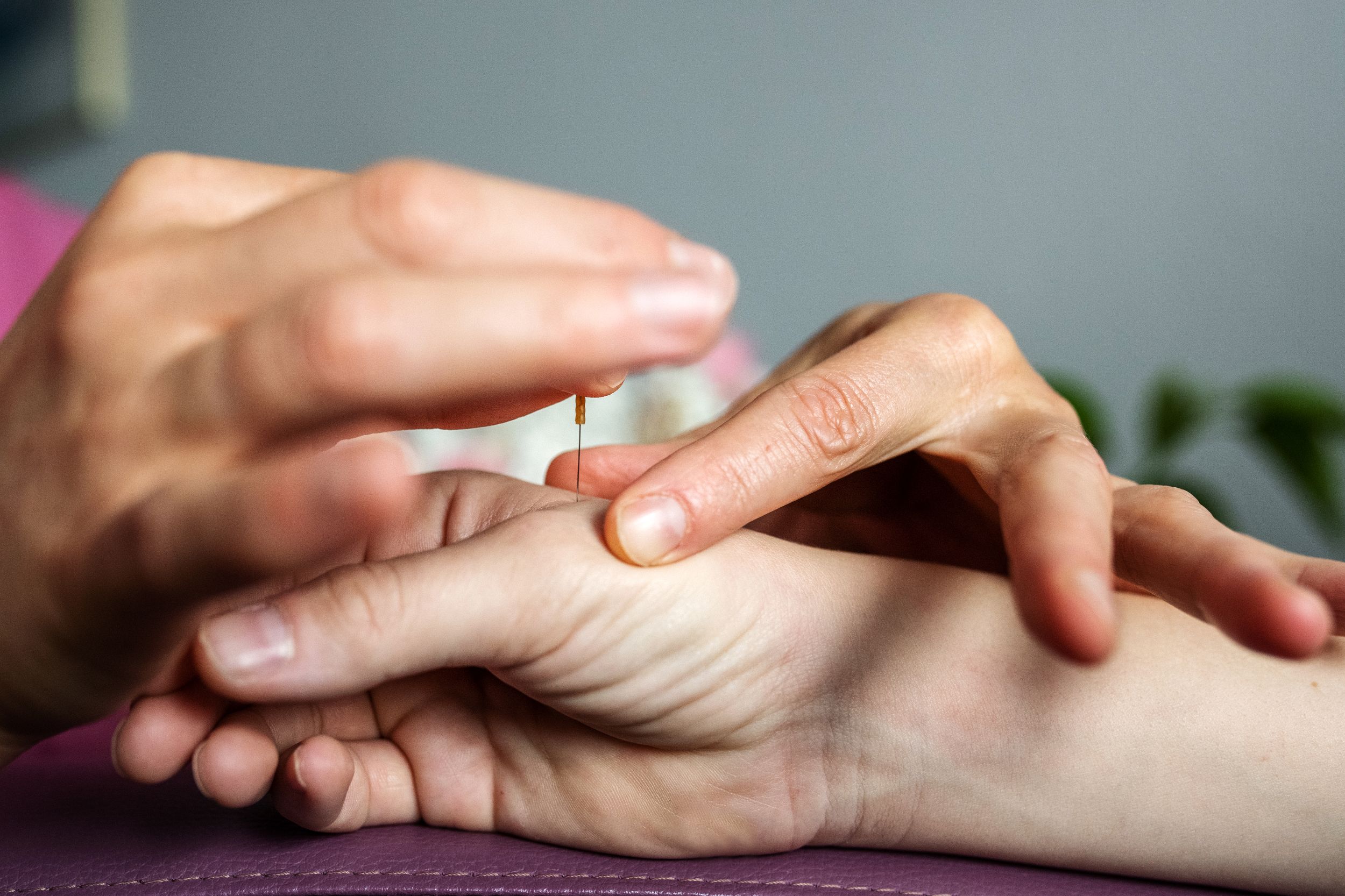
For those who are new to acupuncture or feel uncertain about needles, treatment is introduced gently and at a pace that feels comfortable. The needles used in acupuncture are extremely fine and are typically very well tolerated. Many people are surprised by how gentle the experience is.

What to Expect During Acupuncture Treatment

Your first appointment includes time to talk through your concerns, health history, current symptoms, and treatment goals. Your acupuncturist will explain the treatment process, answer any questions you have, and tailor the session to your individual needs. In most cases, treatment is also provided during the initial visit.

Throughout every session, communication and your comfort remain the priority. You are always an active and informed participant in your care.

Please note: If you have any medical concerns or are unsure whether acupuncture is appropriate for you, we recommend consulting with your physician or primary care provider before starting treatment.

Take the Next Step in Your Recovery

Whether you are looking to improve sleep, address chronic tension, or complement the psychological work you are already doing, acupuncture at Genovese Trauma & PTSD Recovery offers a thoughtful, trauma-informed path forward.

We welcome clients who are new to our clinic as well as those already receiving care with us. To schedule a massage therapy appointment, use our online booking link.

Book an Appointment


Acupuncture Therapy FAQs


Acupuncture may support a wide range of concerns, including stress, anxiety, muscle tension, sleep difficulties, headaches, jaw tension, physical restlessness, and the physical effects of chronic stress or trauma. Our Doctor of Acupuncture’s approach is grounded in supporting nervous system regulation and helping your body move toward a calmer, more settled baseline.

Acupuncture is generally not considered painful, though each person’s experience can be different. Most people feel very little discomfort, and many find treatment deeply relaxing. If you are feeling nervous, that is completely okay. Our practitioner takes a gentle and paced approach and can adjust treatment to help you feel more comfortable.

Many people are surprised by how gentle acupuncture feels. The needles used are extremely fine — much thinner than the needles used for injections or bloodwork — and treatment is typically very well tolerated. You may feel a small sensation as a needle is inserted, followed by heaviness, warmth, tingling, or relaxation in the area.

That is very common, especially if acupuncture is new to you. You are always welcome to let us know if you are feeling unsure or anxious. We take a gentle, collaborative approach and will work at a pace that feels comfortable for you.

There are many styles of acupuncture available today, ranging from site-specific dry needling to the systemic approach of Traditional Chinese Medicine (TCM). Within a trauma-focused setting, our acupuncturist uses a TCM style to prioritize nervous system regulation, emotional safety, and the connection between physical symptoms and lived experience. This work is shaped by an understanding of how chronic stress, trauma, and anxiety can affect the body in lasting ways. Our approach is collaborative and grounded in helping clients feel informed, comfortable, and respected as active participants in their treatment. This allows acupuncture to be offered within a setting that understands the broader context of trauma recovery and, when appropriate, works alongside psychotherapy and other supportive care.

Your first appointment includes time to talk through your concerns, health history, current symptoms, and treatment goals. Your acupuncturist will explain the treatment process, answer any questions you have, and tailor the session to your needs. In most cases, treatment is also provided during the initial visit.

Not at all. You do not need any prior experience with acupuncture to get started. We will guide you through the process, explain what to expect, and make sure you feel informed and supported throughout your appointment.

People often feel relaxed, calm, lighter, or more grounded after a session. Some may feel tired or notice a temporary shift in energy as the body settles. Responses can vary, but many people find acupuncture leaves them feeling more regulated and at ease.

Acupuncture uses very fine needles to stimulate specific points on the body in ways that may influence the autonomic nervous system and support the body’s natural regulatory processes. Emerging research suggests acupuncture may help modulate the stress response, affect pain and muscle tension, and support parasympathetic activity, including mechanisms associated with the vagus nerve. Because the vagus nerve is involved in rest, regulation, and recovery, this may help the body shift away from a persistent state of alertness and toward a calmer, more regulated baseline.

Yes. Acupuncture can be a meaningful complement to psychotherapy and other therapeutic or medical supports. Because stress, trauma, and anxiety often affect both mind and body, acupuncture may help address the physical patterns that accompany emotional distress, such as tension, poor sleep, restlessness, and nervous system activation. As part of a broader, integrated approach to recovery, it can help support regulation, reinforce a sense of safety in the body, and complement the work being done in therapy.

Please note: If you have any medical concerns or are unsure whether acupuncture is appropriate for you, we recommend checking with your physician or primary care provider before starting treatment.

EMDR, Prolonged Exposure and Cognitive Therapy certified.

Psychologists' Association of Alberta, EMDR Institute logos